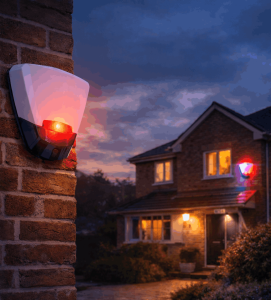
CCTV works best when each camera has a clear job. Good positioning is not about covering every inch of a property, but about watching the areas where people naturally approach, enter, leave or handle valuable assets.
A professional installer looks at sight lines, lighting, privacy, cable routes and day to day use before recommending camera positions. The result should be practical, tidy and easy to live with, while giving you useful footage if something happens.
Start with the main approach routes
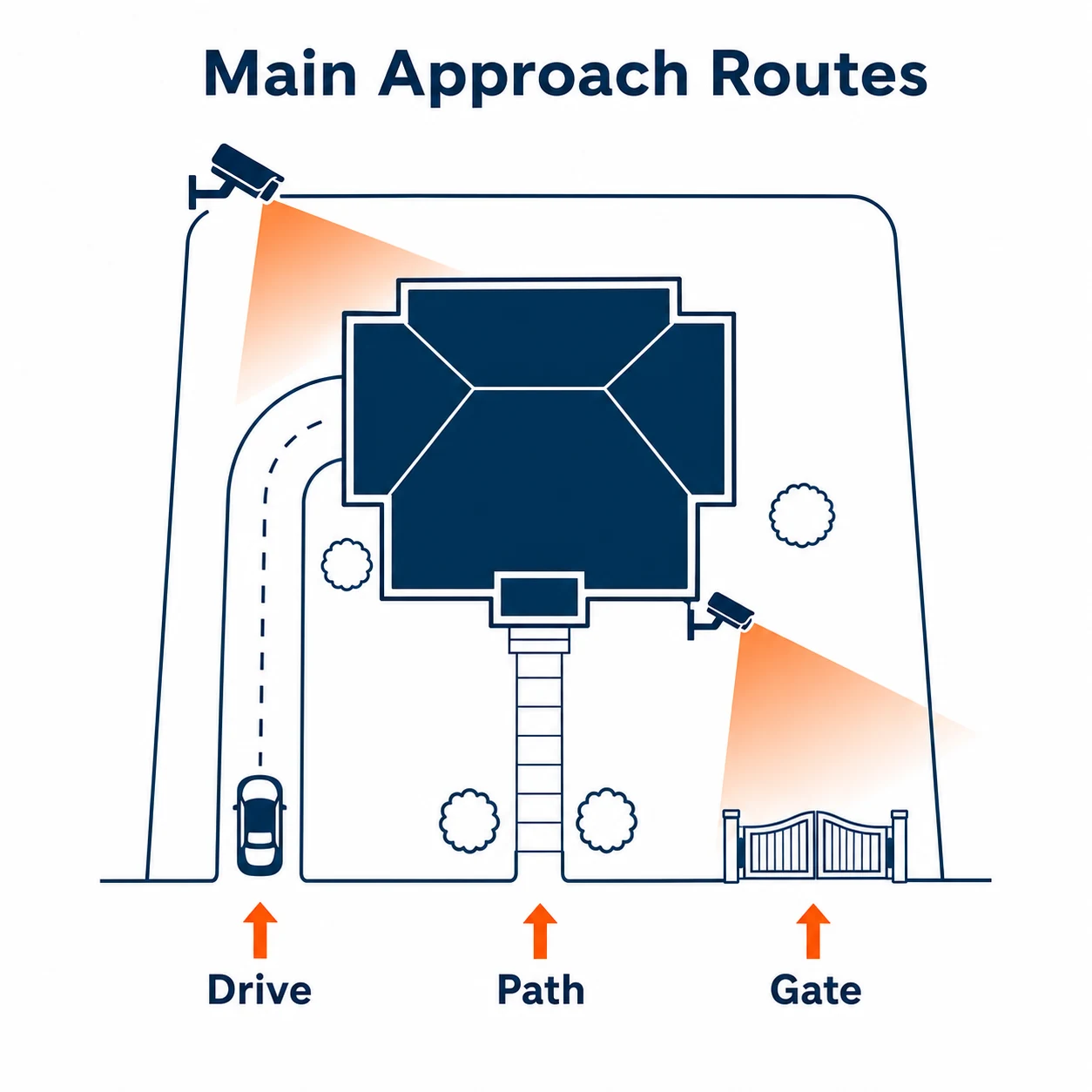
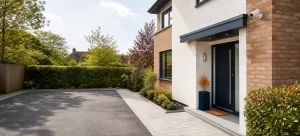
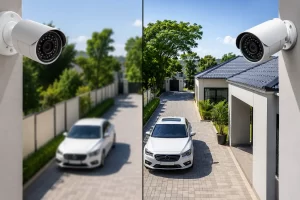
The first area to assess is how someone would approach the property. This might include a front path, driveway, shared entrance, side access, service yard or customer approach. These routes matter because they often show a person before they reach the door, which gives better context than a close view at the point of entry alone.
A camera covering an approach route should usually be positioned to capture direction of travel, clothing, movement and any vehicle activity where relevant. It should not be placed so high that people become tiny shapes, or so low that it is easy to tamper with. The right height depends on the building, the lens, the distance to the target area and the lighting conditions.
For homes, this often means balancing a clear view of visitors with discretion and privacy. For small businesses, it may mean covering customer routes, staff entrances and delivery approaches without creating blind spots around corners or external doors. Forrest Security can assess this as part of its wider professional security services, so camera placement works alongside alarms, access control and other protection where needed.
Cover entrances and exterior doors clearly
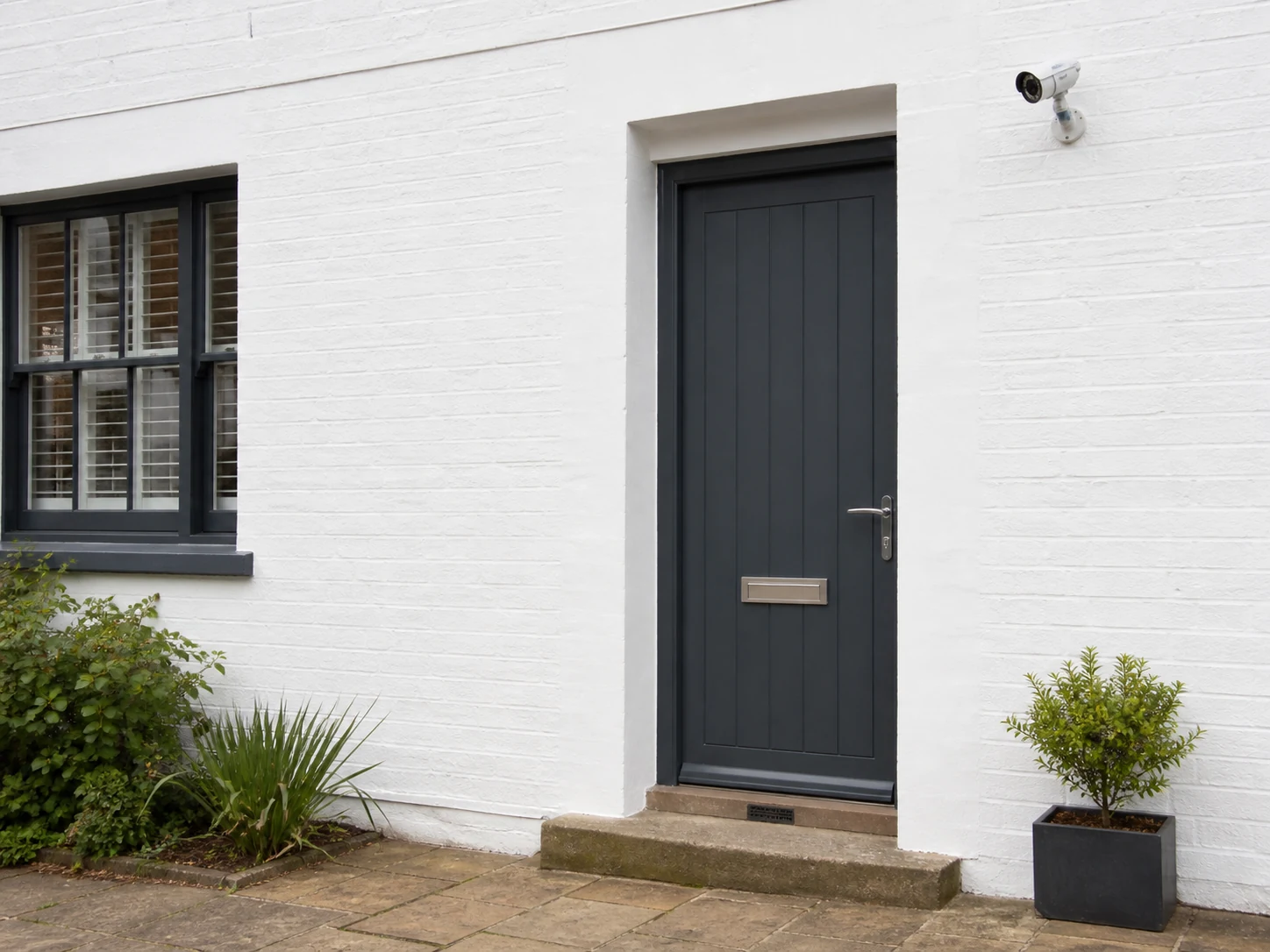
Entrances are among the most important CCTV positions because they show who came in, who left and when. Front doors, rear doors, side doors, staff doors and delivery doors all deserve careful consideration. A camera should be angled to capture faces and activity near the doorway, not just the top of a head or a patch of wall.
Doorway cameras also need to cope with changing light. A door can create contrast between bright outdoor conditions and darker indoor space. If the camera is poorly positioned, faces can become difficult to see. A professional installer will consider camera angle, distance, lens type and lighting so the image remains useful at different times of day.
It is also worth thinking about what happens around the door. Does someone wait there? Are parcels left nearby? Is there an intercom, keypad or access reader? Is the door used by staff, visitors or contractors? These details influence whether one camera is enough or whether another viewpoint would give clearer coverage.
The aim is not to make the entrance feel cluttered. Neat installation matters. Cameras, cables and related equipment should be placed with care so the system looks deliberate and professional, rather than added as an afterthought.
Think about blind spots around corners and side access
Many properties have vulnerable areas that are not obvious from the main entrance. Side paths, rear gates, bins, garden access, plant rooms, storage areas and external stairwells can all create blind spots. These are often quieter areas, which can make them attractive to someone trying to avoid attention.
A good CCTV design follows the likely routes around the building. If a person can move from the front to the rear without being seen, the system may need another camera or a different angle. The same applies where walls, fences, parked vehicles, signage or landscaping interrupt the view.
Side access cameras should be planned carefully because narrow spaces can create glare, reflections and awkward angles. A very wide view may look impressive, but it may not always provide enough detail. Sometimes a more focused view of a gate, path or doorway is more valuable than a broad image with little usable detail.
This is where professional judgement is helpful. The installer is not just deciding where a camera can physically fit. They are deciding what the camera needs to prove, what it might miss and how its view supports the rest of the system.
Position cameras for useful office and business coverage
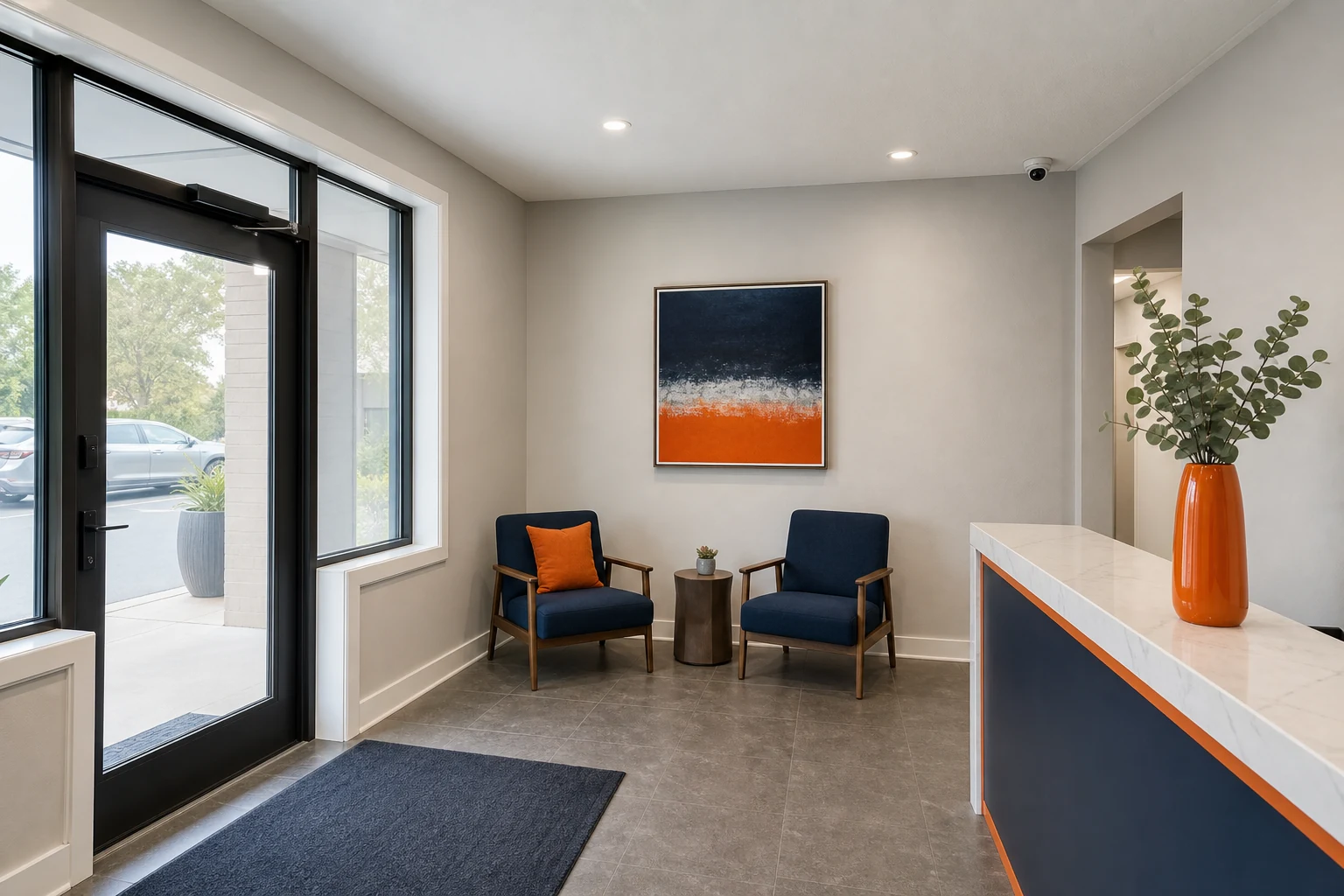
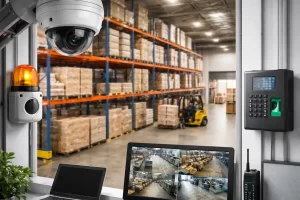
Inside a business, CCTV should support security without feeling intrusive. Useful positions may include reception areas, entrance lobbies, stock rooms, corridors, cash handling points and areas where equipment is stored. The purpose should always be clear. Cameras should help protect people, property and operations, rather than record areas without a practical reason.
For offices and small commercial premises, positioning often depends on how people move through the space. A camera near the entrance can show arrivals and departures. A camera covering a stock or equipment area can help confirm access. A camera in a corridor can show movement between key rooms. These views can be more useful than simply placing cameras in corners and hoping for full coverage.
Privacy also matters. Cameras should be positioned with respect for staff, visitors and private areas. A professional installer can help identify suitable views and avoid unnecessary recording. If you are unsure what is appropriate, it is sensible to take advice before the system is installed.
CCTV can also work alongside access control, intruder alarms and intercoms. For example, footage near a controlled door can help confirm who used an entry point, while alarm events can be reviewed alongside camera footage. The best systems feel joined up, with each part supporting the others.
Make deterrence visible without sacrificing neatness
Visible cameras can be a useful deterrent, but visibility alone is not enough. A camera that looks obvious but records the wrong area may offer little value. Likewise, a camera hidden too carefully may miss the chance to discourage unwanted behaviour before it starts.
The best placement usually finds a sensible balance. Cameras should be visible enough around entrances and approach routes to show that the property is protected, while still being installed neatly and securely. Cables should be routed cleanly where possible, fixings should be suitable for the surface and equipment should be positioned to reduce tampering.
For a home, this might mean choosing camera positions that protect doors, approaches and outbuildings without making the property feel over equipped. For a business, it might mean making cameras clear at entrances, reception points and external doors while keeping the installation tidy and professional for customers and staff.
Deterrence also depends on reliability. Cameras should be able to record clearly in the conditions they face. Poor lighting, strong backlight, dirt, spider webs, glare and obstructions can all reduce image quality. Maintenance access should be considered from the beginning, so cameras can be cleaned, checked and adjusted when needed.
Check camera type, lighting and privacy before finalising positions
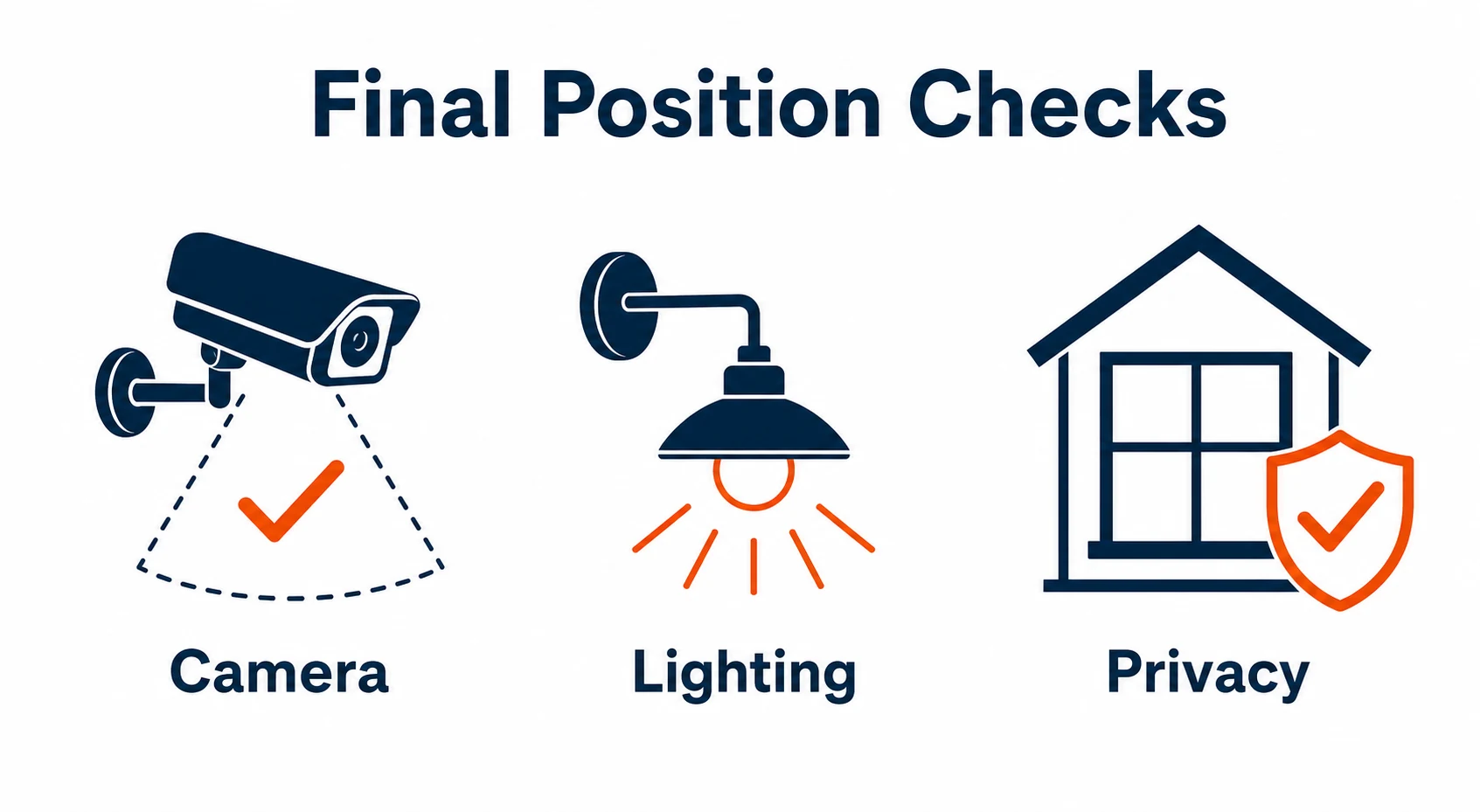
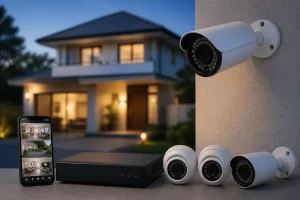
Positioning is closely linked to the type of camera being used. A compact camera, turret camera, dome camera or camera with a wider field of view may suit different areas. If you are comparing options, Forrest Security has a helpful guide to different types of CCTV cameras, which explains common choices in plain terms.
Lighting should be reviewed before final positions are agreed. Daytime conditions can be very different from night time conditions. External lighting, reflections, vehicle headlights and covered entrances can all affect the image. A professional installer will consider these issues so the camera is useful when it matters, not just when conditions are ideal.
Privacy is another important part of responsible CCTV placement. Cameras should focus on your own property and relevant security areas. Where nearby property or shared spaces may be in view, the camera angle and settings should be considered carefully. The goal is to protect your premises while being proportionate and respectful.
Before installation, it is worth walking the property and asking simple questions. What needs protecting? Where would someone approach? Which doors matter most? Where would footage be needed after an incident? These questions help turn CCTV from a collection of cameras into a properly planned security system.
- CCTV cameras should have clear purposes, such as covering entrances, approach routes, exterior doors or important internal areas.
- Professional positioning considers sight lines, lighting, privacy, cable routes, tamper risk and how people actually use the property.
- Visible cameras can support deterrence, but only when they are placed to capture useful footage.
- Neat installation matters because a tidy system is easier to trust, maintain and live with.
- CCTV works best when it is planned alongside wider security needs, including alarms, access control and intercoms.
Frequently asked questions
Should CCTV cameras point directly at doors?
Often, yes, but the angle matters. A camera should capture useful detail around the door, including people approaching and using it. If it points too steeply down or faces strong light, the footage may be less helpful.
Is it better to have more cameras or better positioned cameras?
Better positioning usually matters more than simply adding cameras. A smaller number of well planned cameras can provide clearer coverage than several poorly placed ones with overlapping views or blind spots.
Can CCTV cover both a driveway and a front entrance?
Sometimes one camera can cover both, but it depends on distance, angle and the level of detail needed. If the areas are too far apart, separate cameras may give more useful footage.
How high should CCTV cameras be installed?
There is no single height that suits every property. Cameras should normally be high enough to reduce tampering, but low and angled enough to capture useful detail. A professional installer will judge this on site.
Planning CCTV for your property?
Forrest Security can help you choose practical camera positions that support clear coverage, neat installation and everyday peace of mind.