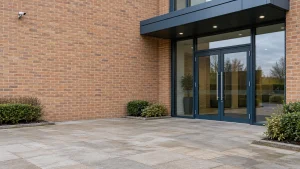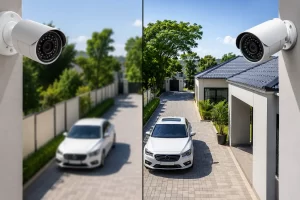
Protecting business premises means more than knowing whether a door is locked. You also need visibility of what is happening, a reliable record when something goes wrong and security measures that encourage people to think twice before causing trouble.
CCTV systems support all three. When designed around your business, they can help deter unwanted activity, give authorised staff useful oversight and make incident reviews more informed. Understanding these benefits helps you choose a system that serves a clear purpose rather than simply collects footage.
CCTV adds a visible layer of deterrence
The presence of CCTV can discourage opportunistic theft, vandalism and unauthorised activity. Someone considering an offence may reconsider if they believe their actions could be recorded and reviewed.
This is a valuable part of business security, but deterrence is not a guarantee. CCTV works best alongside suitable locks, sensible procedures, access control and intruder alarms. Each measure has a different role: access control helps manage entry, alarms signal potential intrusion and CCTV provides visual information.
Clear signage also helps people understand that recording takes place. It supports transparency and reinforces the presence of security measures without making the premises feel unwelcoming.
For business owners, the practical starting point is to identify the activity you want to discourage. Stock loss, unauthorised access and damage may call for different recording capabilities and response procedures. Clear priorities give the system a useful purpose from the outset.
Better visibility helps you respond with context
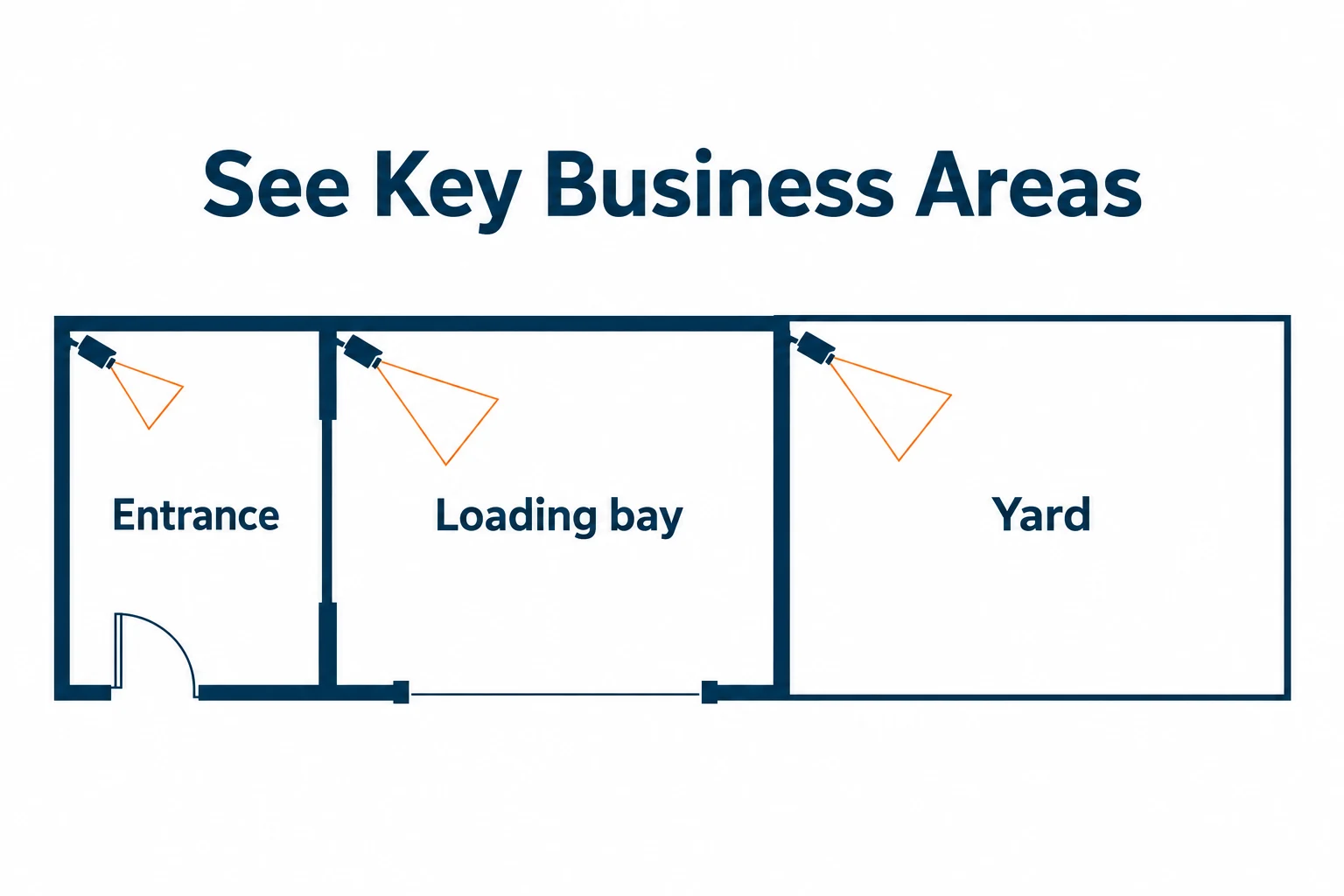
CCTV can help authorised staff understand what is happening across the premises without being physically present in every area. That visibility can be useful during opening hours, at closing time or when an alarm requires attention.
Depending on the system, secure remote viewing may allow you to check live footage from an approved device. Some systems also provide event notifications, although the available functions depend on the equipment and configuration.
It is important to distinguish access to footage from an active response service. A recording system does not automatically mean someone is watching it. Your business should know who receives notifications, when they are expected to respond and what action is appropriate.
- Identify who is authorised to view live footage.
- Agree how staff should handle suspicious activity.
- Keep escalation contacts current.
- Make personal safety the priority rather than asking staff to confront someone.
These arrangements turn visibility into useful information that supports safer, more consistent decisions.
Recorded footage supports a clearer incident review
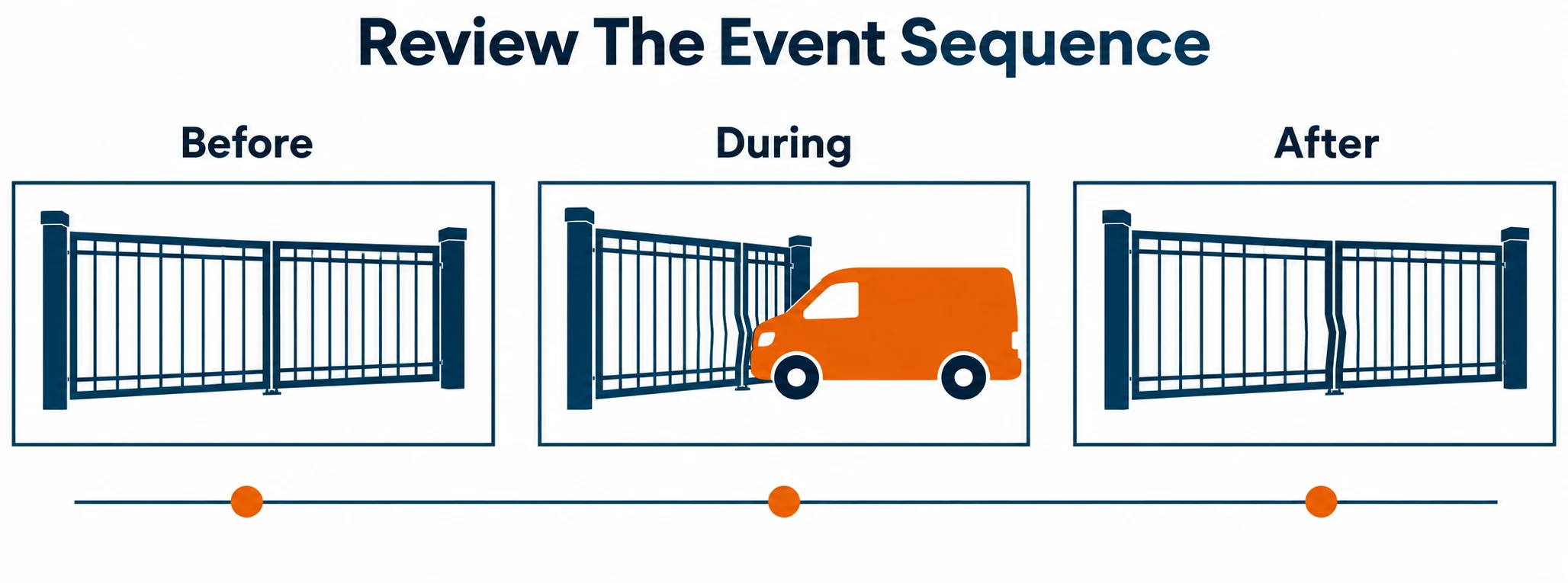
After an incident, accounts can be incomplete or conflicting. CCTV footage may help establish a sequence of events, narrow down timings and show which details need further investigation. This can be useful when reviewing theft, damage, an accident or a disputed delivery.
The value of a recording depends on whether it captures the information you need. A broad overview may show that an event happened without providing enough detail to identify someone or understand a specific action. Recording quality, lighting, timestamps and playback tools all matter.
A practical review process should include:
- Noting the reported time and relevant circumstances.
- Finding and preserving relevant footage before routine deletion.
- Keeping an original export and recording who has accessed or received it.
- Sharing footage securely and only where there is a lawful reason.
Footage can support an investigation or insurance claim, but it should be considered alongside other evidence. Avoid assuming that a short clip tells the whole story, particularly where events began before the recording being reviewed.
Professional design makes coverage more useful
Effective coverage starts with a question: what does your business need the system to show? Professional CCTV installation should translate that answer into appropriate equipment, recording settings, storage and access arrangements.
This is about more than camera numbers. A useful design considers the detail required, changing light levels, movement, operating hours and how staff will retrieve recordings. It also considers whether recording should be continuous, triggered by events or configured differently for particular needs.
Resolution is one part of that decision. Higher resolution can provide more detail, but lenses, image processing, lighting and compression also affect the result. Our guide to 4K and 1080p CCTV cameras explains a common comparison.
Storage should suit your justified retention period and recording demands. Connectivity also matters where remote access is required. Ask how recording and viewing behave if the internet connection is interrupted, as this varies between systems.
At handover, a demonstration of live viewing, playback and exporting helps your team use the system confidently. Testing against agreed objectives confirms that the coverage is useful in practice.
Responsible CCTV use protects people and information
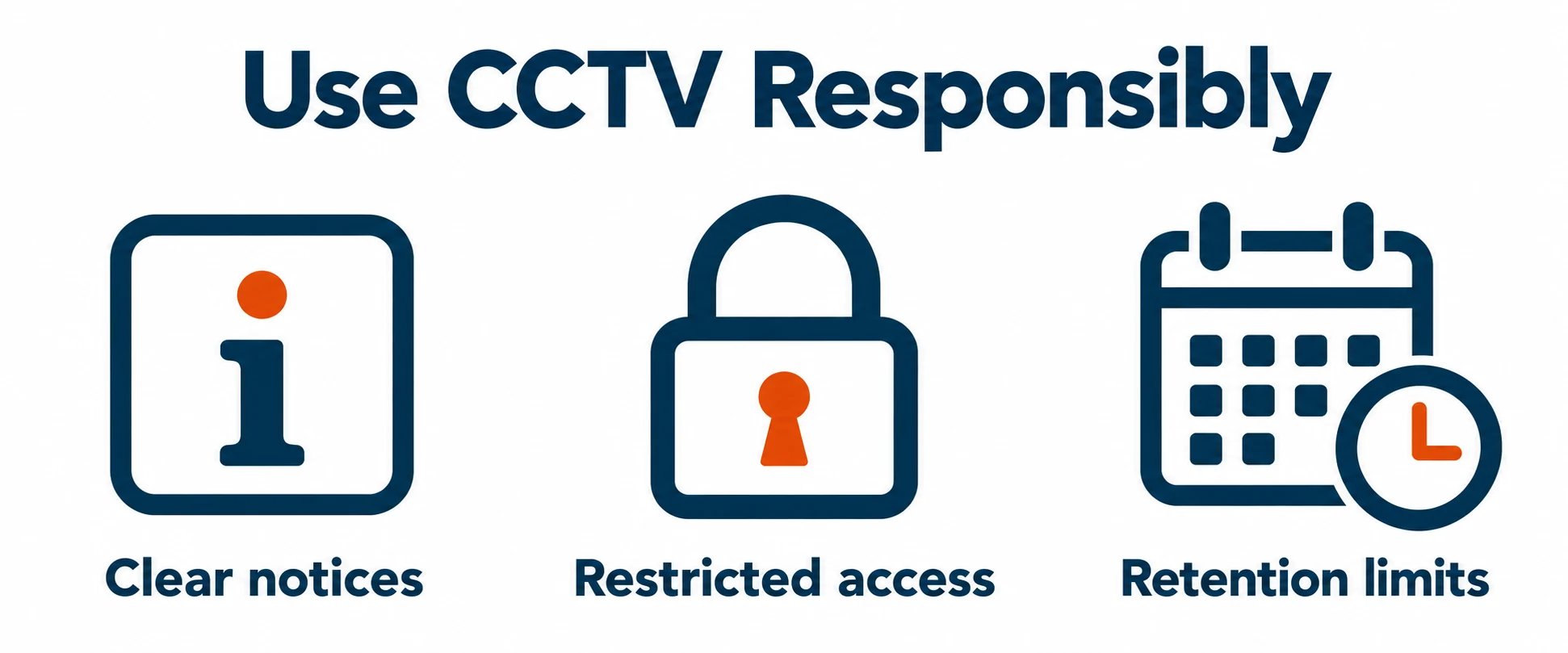
Business CCTV often captures identifiable people, so data protection responsibilities should be considered from the start. Define why you are recording, establish an appropriate lawful basis and keep the extent of surveillance proportionate to that purpose.
People should be informed about the recording through suitable signage and accessible privacy information. Staff also need clear information about workplace monitoring. Audio recording is particularly intrusive and should not be enabled simply because the equipment supports it.
There is no single retention period that suits every business. Keep footage only for as long as necessary for your stated purpose, with relevant recordings preserved separately where an incident justifies it.
- Limit viewing and export permissions to authorised users.
- Use strong passwords and additional authentication where available.
- Set a process for handling requests for footage.
- Avoid sharing recordings casually or posting them online.
Our overview of CCTV legal responsibilities provides further background. Current regulatory guidance can help you check the requirements that apply to your business.
Regular checks keep your CCTV dependable
A CCTV system should remain useful as your business changes. Different operating hours, altered layouts or new stock handling processes can affect what you need from recording and review.
Routine checks help confirm that cameras are working, timestamps are correct and recordings can actually be played back. Checking an export is particularly worthwhile: discovering a retrieval problem during an incident adds avoidable uncertainty.
Keep equipment software supported and updated, review user permissions when staff leave and check that storage is operating as intended. Suitable maintenance also helps address issues affecting image quality or recording reliability.
Review the system after a significant incident or operational change. Ask whether it provided the information you needed and whether staff understood the response process. This keeps CCTV connected to the way your business operates rather than treating installation as the final step.
- CCTV can deter unwanted activity and support wider security measures.
- Live visibility is most useful when someone has a clear responsibility to respond.
- Reliable recordings help establish facts after an incident.
- Professional design should reflect your business risks and evidence needs.
- Responsible access, retention and maintenance keep the system useful.
Frequently asked questions
Can CCTV prevent every break in?
No security measure can guarantee that. CCTV can discourage offending and provide useful evidence, while locks, access control, alarms and staff procedures provide complementary protection.
Will CCTV still record if the internet stops working?
Some systems continue recording locally without an internet connection, while remote viewing or cloud functions may be unavailable. Confirm how your proposed system handles connection loss and whether any functions depend on it.
How long should a business keep CCTV footage?
Choose a retention period based on your recording purpose and operational needs, then document the reason. Footage should not be kept indefinitely simply because storage is available. Relevant incident footage may need separate preservation.
Can existing CCTV equipment be upgraded?
It may be possible to retain suitable equipment while improving recording, storage or image quality. An assessment can establish compatibility, condition and whether the existing system meets your current requirements.
Make CCTV work for your business
If you are considering CCTV or reviewing an existing system, Forrest Security can help you explore your requirements. Discover our CCTV installation and security services and talk to us about protecting your premises.